The Indian rupee has steadily weakened against the U.S. dollar over the past several decades, moving from around ₹3.3 at Independence to nearly ₹90 today. This change did not happen suddenly. It occurred gradually due to structural factors such as higher inflation, persistent trade deficits, oil import dependence, and a shift to a market-linked exchange rate after the 1991 reforms. As a result, even when India’s economy grows at a healthy pace and equity markets deliver strong returns, a portion of that gain is offset by currency depreciation. This is important because many real-world expenses—such as foreign education, international travel, and imported goods—are priced in dollars. Watch the video below to understand how this impacts your portfolio in simple terms.
This creates what can be called a “portfolio illusion.” Investors may see their wealth grow in rupee terms, but their global purchasing power may remain flat or even decline. For example, if investments grow steadily but the rupee weakens at the same time, the ability to afford dollar-based expenses does not improve as much as expected. The shift to a managed exchange rate system after 1991 reinforced this pattern. Policymakers focused on reducing volatility rather than strengthening the currency over time. As a result, gradual depreciation became a normal part of the system. This means currency risk is not a rare event. It is a continuous factor that affects long-term financial outcomes.
This becomes even more relevant when you consider how most Indian investors are positioned. Income, real estate, and the majority of financial assets are already concentrated in rupees. At the same time, many future goals are linked to global benchmarks. Education abroad, global travel, healthcare, and even retirement in some cases depend on dollar-based costs. This creates a mismatch. Assets grow in one currency, while future expenses rise in another. Over time, this gap can reduce real wealth, even if portfolios appear to perform well locally.
To address this, investors have historically relied on two broad strategies: gold and global investments. Gold has long been used as a store of value. It tends to perform well during inflation, economic stress, or currency weakness. However, gold does not compound wealth in the same way as productive assets. It helps preserve value, but it does not significantly grow it over long periods. This makes it useful as a stabilizer, but not as a primary growth engine.
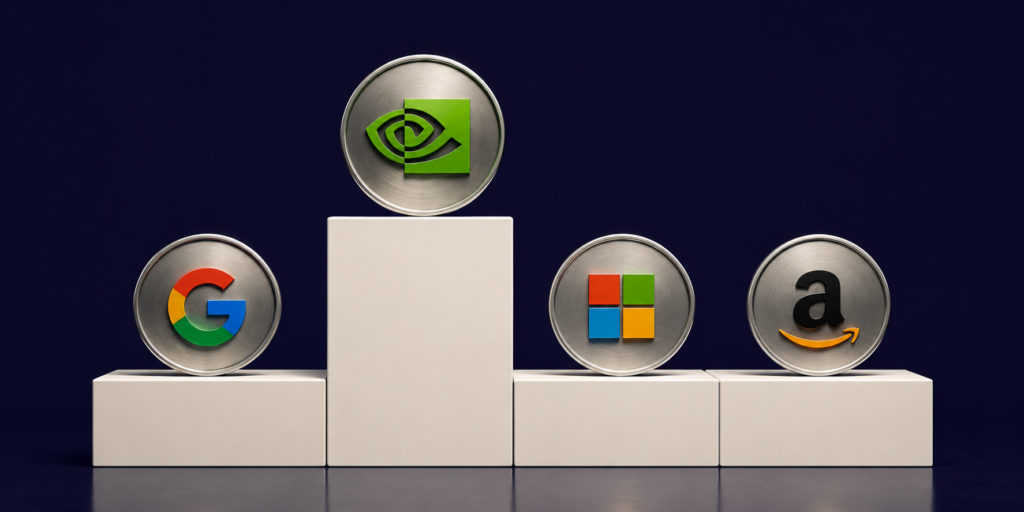
Global equities, on the other hand, offer both growth and diversification. They provide exposure to industries that are not widely available in India, such as advanced technology, semiconductor infrastructure, global consumer brands, and cutting-edge healthcare innovation. More importantly, they introduce currency diversification. When the rupee weakens, the value of global investments rises in rupee terms, creating a natural hedge. At the same time, investors benefit from the earnings growth of global companies. This combination of currency advantage and business growth makes global equities an effective long-term tool.
A balanced portfolio that includes domestic assets, gold, and global exposure can help solve this structural issue. The goal is not to reduce confidence in India’s growth story. India remains one of the fastest-growing major economies in the world. Instead, the objective is to align investments with real financial needs. Since income and assets are already heavily linked to the rupee, adding exposure to global markets helps create balance.
Over the long term, wealth is not just about returns. It is about what those returns can buy. By diversifying across currencies and markets, investors can protect and expand their global purchasing power. This approach reduces dependence on a single currency and improves the resilience of a portfolio across different economic cycles.