The S&P 500 is not a fixed list of companies. It is a dynamic index that evolves with the economy. It represents about 500 large U.S. companies and covers a major share of the total U.S. stock market. Over time, companies enter and exit the index as industries grow, decline, or change. This means investors tracking the index are not holding the same businesses forever—they are holding a constantly updated mix of market leaders. Watch the video below to see how this evolution works in practice.
One key reason for this change is rising turnover. In the past, companies stayed in the index for decades. Today, that period is getting shorter due to faster technological change and industry disruption. Businesses that fail to adapt lose relevance, while new leaders emerge. The index captures this shift through its market-cap weighting system. Companies with higher market value automatically gain more weight, while weaker companies lose influence. This creates a continuous, market-driven reallocation without the need for active decisions by investors.
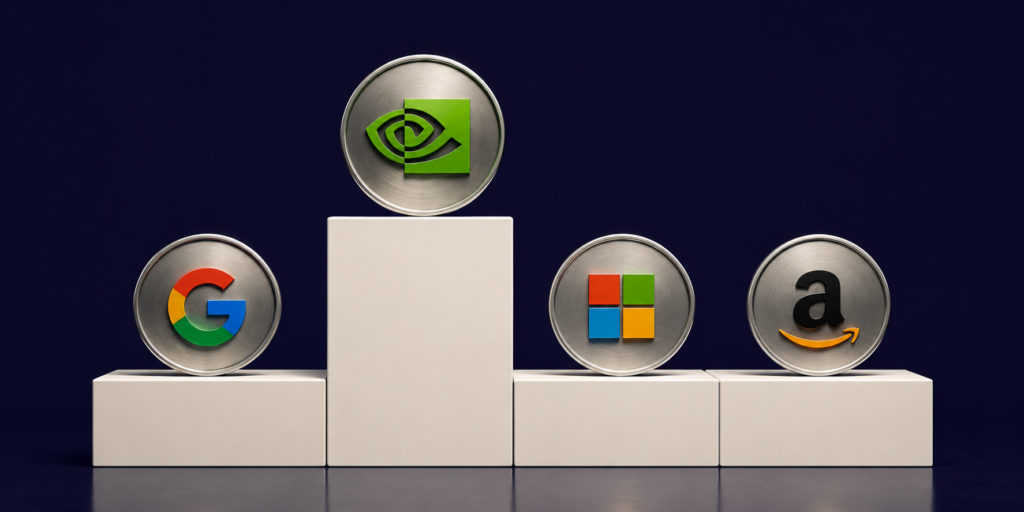
At the same time, entry into the index follows strict rules. Companies must meet size, profitability, liquidity, and listing standards to qualify. A committee then reviews changes such as mergers, bankruptcies, or declining relevance and updates the index when needed. Historical changes—like replacing Enron with Nvidia or adding Netflix and Tesla—show how the index reflects real economic shifts.
Together, these features make the S&P 500 a self-updating system. It allows investors to stay aligned with current market leaders and long-term economic trends without actively selecting stocks.
Disclaimer: Investments in securities markets are subject to market risks. Read all the related documents carefully before investing. The securities quoted are exemplary and are not recommended.