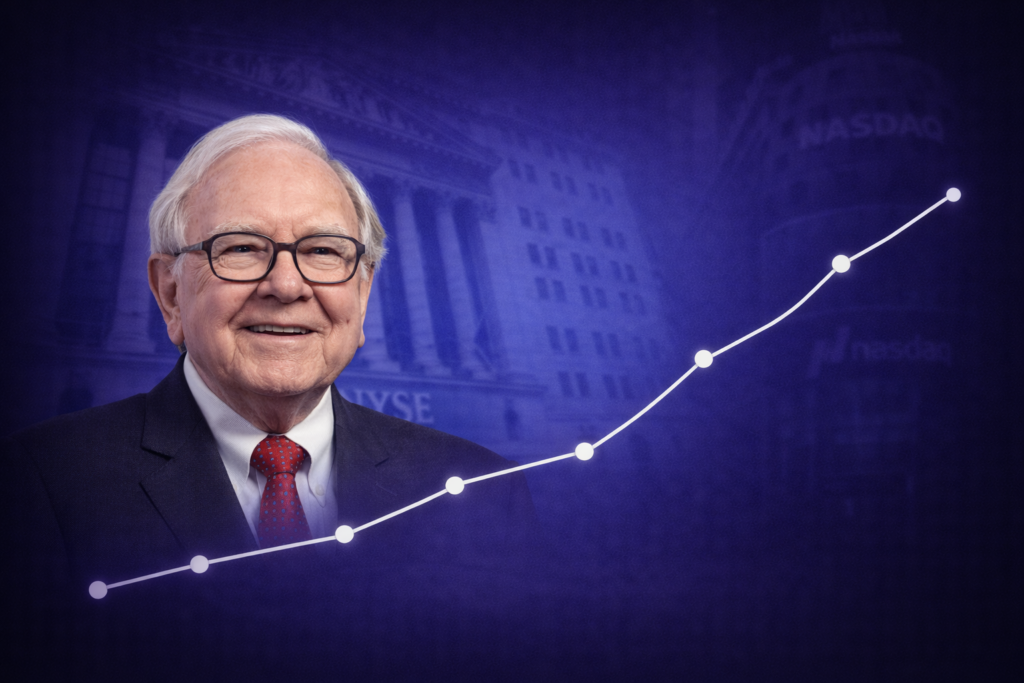
The pattern of accumulation of Warren Buffett Net Worth has always been under analysis by many investors around the world. As the chairman and CEO of Berkshire Hathaway, Buffett has shown the potential of wealth creation through proper investment principles such as value investing. Value investing is a type of investment strategy whereby an investor buys stocks that he believes sell at lower prices compared to the intrinsic or actual value of those stocks. The following blog will focus on some of the milestones in his financial career and his current status in the global market.
Key Takeaways
- Buffett built his wealth through the power of compounding and long-term value investing.
- Berkshire Hathaway transitioned from a textile mill into a massive conglomerate under his leadership.
- A significant portion of his wealth is pledged to philanthropic causes like the Bill & Melinda Gates Foundation.
- His net worth remains heavily influenced by the performance of public equities like Apple and American Express.
Early Beginnings and First Investments of Warren Buffett
Warren Buffett started his career by purchasing stocks and setting up businesses at an early age. At the age of eleven, he invested his savings in stocks and realised that the concepts of price and value were different. Initially, he followed the strategies of Benjamin Graham, who is considered the founder of value investing. He looked for what he referred to as “cigar butt” stocks. These are companies whose stock price has dropped dramatically, yet the company still has something to offer.
In fact, this helped form a base of patience and thorough analysis. In other words, while everyone else was busy trying to capitalise on market conditions, he concentrated on the fundamentals of a firm. By fundamentals, we mean information about the business (qualitative and quantitative) that impacts the financial standing of the firm (such as profit margin and revenue). This way, he managed to build his first million dollars by his thirties.
Key Milestones in Warren Buffett’s Wealth Growth
The single most important point in his growth along the curve of success can be defined as purchasing Berkshire Hathaway in the mid-sixties. Initially, it was a textile business; however, Buffett made it into a holding company that could buy up other businesses. To define a holding company, we need to explain that it is not engaged in the production of anything; it just holds other companies’ stocks. Later on, Buffett bought up insurance companies like GEICO and got his “float.” The float can be understood as money that insurance companies store between the payment of premiums and claims.
1. Investment Strategies
The key method used by Buffett is purchasing businesses with a “moat”. A moat refers to a barrier against competitors, such as strong branding and high entry costs. Buffett prefers investing in industries he knows well, such as consumer goods or finance. To give some examples, his substantial stake in Coca-Cola and American Express are clear examples of this strategy.
2. Diversification and Reinvestment
Though famous for stock investments, Buffett has expanded the conglomerate into wholly-owned business groups in railroads, energy, and retail businesses. The true source of Buffett’s wealth, though, comes from the concept of compounding. Compounding is defined as the phenomenon where the gains from an initial investment generate further returns. With minimal sales of his investments and dividend reinvestment, his fortune has skyrocketed in his later life.
Philanthropy and Its Impact on Net Worth
Warren Buffett is as famous for giving away his money as he is for making it. In 2006, he committed to gradually giving away the majority of his Berkshire Hathaway shares. This decision means his total net worth is actually lower than it could have been if he had retained all his shares. He co-founded The Giving Pledge, a campaign that encourages the world’s wealthiest individuals to commit the majority of their wealth to philanthropic causes.
The philanthropic activities of Buffett are embedded in his net worth through yearly donations. The large donation of shares decreases his personal share holdings of Berkshire Hathaway; however, it makes his net worth more beneficial for society. Although there are billions of dollars donated annually, the growing value of the Berkshire Hathaway share prices neutralises the loss in share quantity.
Recent Years and Current Net Worth
Warren Buffett’s net worth as of April 13, 2026, is estimated to be around $145 billion. The value of Warren Buffett’s net worth in Rupees comes out to be ₹12.18 lakh crore. This amount changes daily based on the value of shares of Berkshire Hathaway Class A & Berkshire Hathaway Class B stocks trading on the NYSE.
Recent changes in his wealth are tied to the performance of Berkshire’s massive portfolio. High interest rates and the performance of holdings have played a role in recent valuations. His cash pile at Berkshire Hathaway also reached record levels recently, allowing the firm to earn significant interest income.
Influence of Market Fluctuations
There are macroeconomic factors such as inflation and interest rates, which affect the value of the companies held by Buffett. On the other hand, Buffett tends to overlook the fluctuations experienced in the market. Market volatility involves the movement of prices in the stock exchange market, where Buffett considers that the more the stocks’ prices fall, the better he can acquire good companies at reduced prices.
Notable Market Crashes
Buffett is also famous for taking advantage of economic downturns by purchasing companies such as Goldman Sachs during the financial crisis of 2008. It is usually common that whenever there is an economic crash, Buffett takes advantage and offers liquidity in the market on favourable terms. The measures adopted usually result in a dramatic increase in the value of his portfolio after the stabilisation of the economy.
Conclusion
The Warren Buffett net worth curve is a testament to the power of time and consistency. From a young boy selling soda bottles to a billionaire philanthropist, his journey highlights that wealth is built through discipline and the avoidance of unnecessary risk. His legacy remains a blueprint for investors in India and across the globe who value stability over speculation.
FAQs on Warren Buffett net worth
As of April 13, 2026, his net worth is approximately $145 billion. In local terms, Warren Buffett’s net worth in rupees is about ₹12.18 lakh crore. This amount changes frequently with the stock market.
He started by reading books on technical analysis before finding Benjamin Graham’s “The Intelligent Investor.” He began with small ventures like paper routes and pinball machine rentals to raise capital for his first stock purchases.
Investments in GEICO, Coca-Cola, and See’s Candies were pivotal for Berkshire Hathaway. More recently, his massive stake in Apple (for illustrative purposes only) has been a significant contributor to his wealth growth.
He has donated tens of billions of dollars in Berkshire Hathaway shares over the last two decades. While this has reduced his total shareholding, the appreciation of his remaining shares keeps him among the world’s richest people.
He is respected for his ethics, simplicity, and ability to beat the market over six decades. His focus on “circle of competence”, investing only in what he understands, is a lesson many Indian investors follow on the NSE and BSE.
Disclaimer: Investments in securities markets are subject to market risks. Read all the related documents carefully before investing. The securities quoted are exemplary and are not recommended.