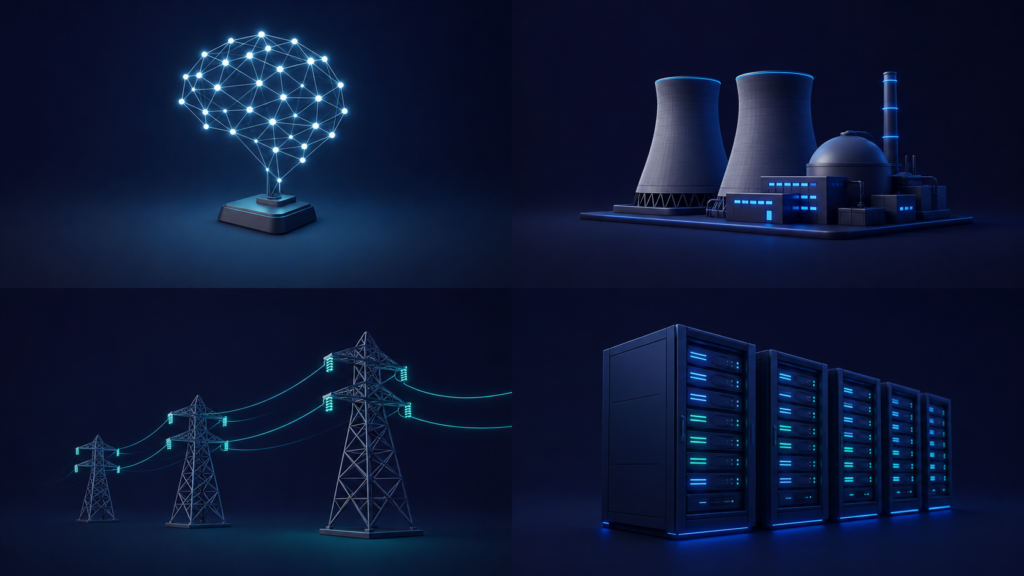
The artificial intelligence boom is not just a software story.
It is a power story.
As data centers expand and AI models become more complex, the demand for electricity is rising sharply. This demand is not just about quantity. It is about reliability.
AI systems require constant uptime. Interruptions are not acceptable. This creates a new challenge for energy infrastructure.
For investors exploring global opportunities through platforms like Appreciate, this shift is important. It highlights how energy is becoming a core part of the technology ecosystem.
Why Traditional Power Sources Are Falling Short
Most existing power systems are not designed for this level of demand.
Renewable energy sources such as solar and wind are growing, but they are not always consistent. Their output depends on environmental conditions, which makes them less reliable for continuous, high intensity computing needs.
Public power grids are also facing constraints.
Connection delays, infrastructure limitations, and rising demand are creating bottlenecks. In many cases, it can take years to connect new capacity to the grid.
This is where nuclear energy is stepping back into focus.
Nuclear Energy Offers What AI Actually Needs
Nuclear power provides something that few other sources can match.
Consistency.
It delivers continuous, carbon free energy with very high reliability. This makes it uniquely suited for powering large scale data centers and AI infrastructure.
Technology companies are recognizing this advantage.
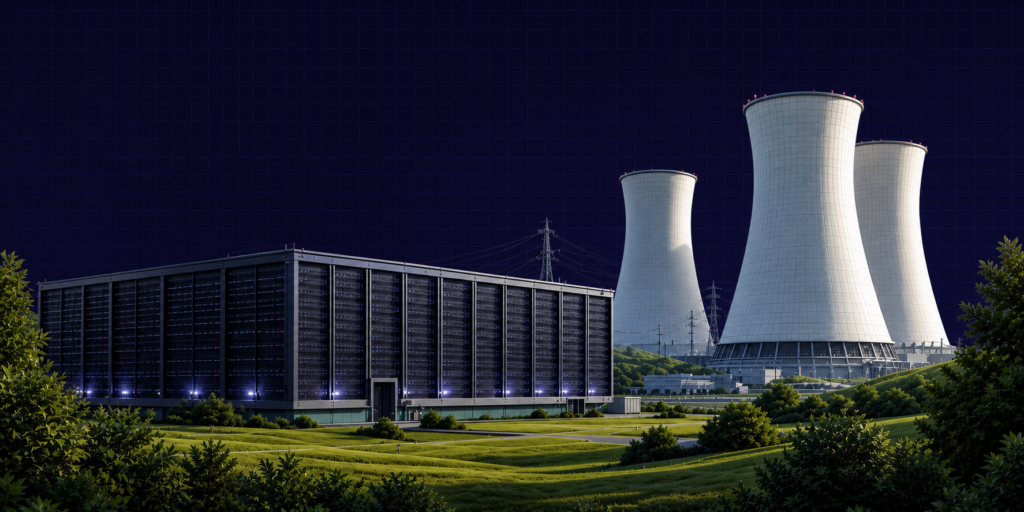
Instead of relying solely on public grids, some are exploring direct access to nuclear power. By connecting directly to power sources, they can bypass delays and secure stable energy supply.
This changes how energy is consumed.
It becomes part of the infrastructure strategy rather than just a utility expense.
The Return of Old Plants and the Rise of New Technology
One of the most interesting developments in the nuclear sector is the revival of existing infrastructure.
Previously retired plants are being evaluated for restart. This approach allows for faster deployment compared to building new facilities from scratch.
At the same time, new technologies are emerging.
Small modular reactors are gaining attention as a flexible and scalable solution. These systems can be deployed more quickly and adapted to specific energy needs.
Together, these trends are accelerating the growth of nuclear capacity.
They also signal a broader shift in how the industry is evolving.
A Supply Challenge Is Driving the Next Phase
Behind the growth of nuclear energy lies another important factor.
Supply.
Uranium, the fuel used in nuclear reactors, is facing increasing demand. As more countries and companies look to expand nuclear capacity, the need for reliable supply is rising.
At the same time, supply chains are adjusting.
There is a shift toward securing domestic sources and reducing dependence on external providers. This adds another layer of complexity to the market.
For investors, this dynamic creates opportunities across the value chain.
From mining companies to reactor manufacturers and utilities, multiple segments are benefiting from this shift.
Utilities Are No Longer Just Defensive Investments
Traditionally, utility companies were seen as stable but low growth investments.
That perception is changing.
As nuclear energy becomes more important for powering advanced technologies, utilities are being re evaluated. They are no longer just providers of basic services.
They are becoming enablers of innovation.
This shift is reflected in valuations.
Companies involved in nuclear energy are seeing increased investor interest and higher valuation multiples. The market is recognizing their role in supporting the next phase of technological growth.
Government Support Is Accelerating the Transition
Policy is playing a significant role in this transformation.
Governments are investing heavily in nuclear energy, providing funding for plant restarts and new projects. These initiatives are designed to support energy security, reduce emissions, and meet growing demand.
Financial incentives and regulatory support are helping move projects forward.
This creates a more favorable environment for companies operating in the sector.
It also reduces some of the risks traditionally associated with nuclear development.
How Investors Are Approaching the Opportunity
As interest in nuclear energy grows, investors are looking for ways to participate.
Some focus on uranium producers, which benefit directly from rising demand for fuel.
Others invest in companies involved in reactor technology and infrastructure.
Exchange traded funds provide another option, offering diversified exposure across the nuclear value chain.
This approach allows investors to capture the broader trend without relying on a single company.
Turning a Structural Shift Into a Portfolio Strategy
Understanding the opportunity is only part of the process.
Access is equally important.
Many of the companies and ETFs linked to nuclear energy are listed in the U.S., making them less accessible through domestic markets alone.
Platforms like Appreciate help bridge this gap by enabling access to Us Stocks and ETFs across energy and infrastructure themes.
This allows investors to align their portfolios with global trends rather than being limited by geography.
Conclusion
Nuclear energy is no longer a legacy industry.
It is becoming a central part of the modern economy, driven by the needs of artificial intelligence, data infrastructure, and energy security.
This shift is creating new opportunities across the energy value chain.
For investors, the key lies in understanding how these trends connect.
Because the future of technology is not just about software and data.
It is also about the power that makes it all possible.
Disclaimer: Investments in securities markets are subject to market risks. Read all related documents carefully before investing. The securities and examples mentioned above are only for illustration and are not recommendations.