One of India’s most closely watched corporate restructurings has now fully played out. The ITC Hotels demerger marks a significant shift in how investors participate in ITC’s business, with the hospitality division now operating as an independent listed company.
ITC Hotels was listed on the stock exchanges on January 29, 2025, following its separation from ITC Ltd. Shareholders received one equity share of ITC Hotels for every 10 shares of ITC held, making the ITC demerger ratio straightforward yet impactful for investors.
This move was not just a structural change but a strategic one. ITC aimed to unlock value, improve capital efficiency, and allow its hotel business to grow independently. For investors, the demerger raised several practical questions—what exactly did you receive, how is it valued, and what should you do next?
This guide walks through the ITC demerger record date, listing date, allotment process, tax implications, and what the demerger means for your portfolio going forward.
What Is the ITC Hotels Demerger?
At its core, the ITC Hotels demerger is a corporate restructuring exercise where ITC separated its hospitality business into a standalone entity. While ITC Hotels has long been a premium brand in India’s luxury segment, it contributed only a small portion—around 3%—of ITC’s overall revenue in FY24.
This mismatch between capital intensity and returns was one of the key drivers behind the demerger decision. The hotel business requires significant investment in land, infrastructure, and expansion, but its return ratios were lower compared to ITC’s core segments such as cigarettes and FMCG.
By separating the business, ITC aimed to achieve two things. First, it allows investors to independently value the hotel business rather than viewing it as part of a diversified conglomerate. Second, it enables ITC to focus its capital allocation on higher-return segments.
The proposal was widely supported, with nearly unanimous approval from institutional shareholders. This level of backing reflected strong confidence in the value-unlocking potential of the demerger.
ITC Demerger Key Dates
The timeline of the ITC demerger is critical for understanding how the process unfolded and how shareholders were affected.
The journey began with board approval in August 2023, followed by shareholder approval in mid-2024. The most important milestone came on December 16, 2024, when the NCLT approved the scheme, clearing the path for execution.
The demerger became effective from January 1, 2025, and January 6, 2025 was set as the ITC demerger record date. This was the cut-off date used to determine which shareholders were eligible to receive ITC Hotels shares.
On this same day, a special pre-open session (SPOS) was conducted to help discover the adjusted price of ITC shares post-demerger. This step ensured a smooth transition in price discovery before trading resumed.
Shares were allotted on January 11, 2025, and finally, ITC Hotels was listed on January 29, 2025.
ITC Demerger Ratio
The ITC demerger ratio was set at 1:10, meaning shareholders received one share of ITC Hotels for every ten shares of ITC held on the record date.
This ratio ensured proportional ownership in the newly formed entity. ITC itself retained a 40% stake in ITC Hotels, while the remaining 60% was distributed among shareholders.
To understand this practically, consider an investor holding 500 ITC shares on the record date. Based on the ratio, that investor would receive 50 shares of ITC Hotels.
In total, over 125 crore shares were allotted to shareholders as part of this process, making it one of the larger demergers in recent Indian market history.
ITC Hotels Share Allotment
After the record date, many investors noticed new entries in their demat accounts. However, these shares initially appeared as frozen or “dummy” holdings.
This is a standard process in demergers. On January 11, 2025, shares were credited to demat accounts, but they could not be traded until listing approval was received from the exchanges.
Once listed, the shares initially traded under the ‘BE’ series. This segment is typically used for stocks with higher volatility or regulatory monitoring, where intraday trading is restricted.
After price stabilization, the shares transitioned to the regular ‘EQ’ segment, allowing normal trading activity.
ITC Hotels Listing Price
The ITC Hotels listing date was January 29, 2025, and the stock opened at ₹180 on NSE and ₹188 on BSE.
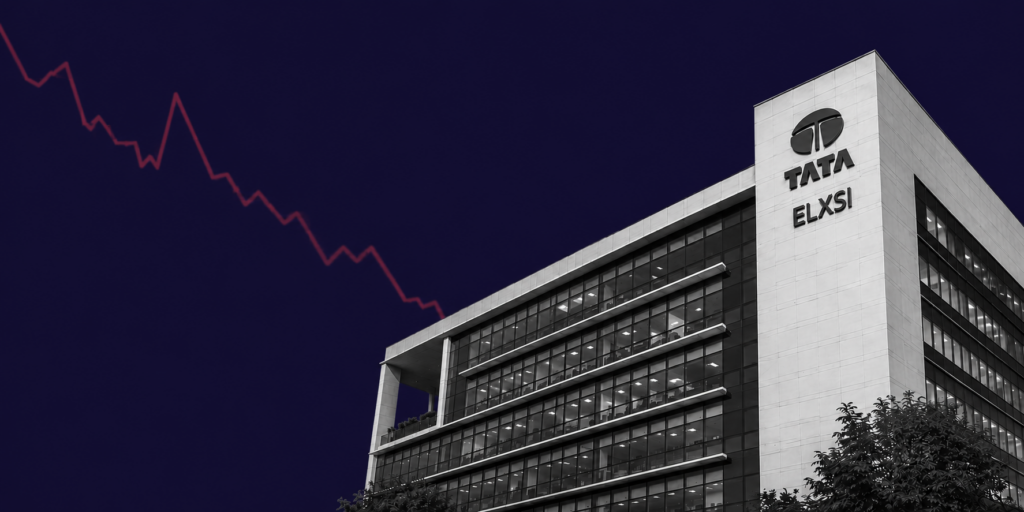
This represented a discount of roughly 30% compared to the implied valuation derived from ITC’s pre-demerger price. The immediate reaction was negative, with the stock hitting the lower circuit soon after listing.
This selling pressure was not unusual. In most demergers, a section of shareholders exits early if the new business does not align with their investment preferences.
The implied price of ITC Hotels was calculated based on the difference between ITC’s closing price before the record date and its adjusted price discovered during the special pre-open session.
On the record date, ITC’s price dropped by around ₹27, reflecting the value transferred to ITC Hotels.
Impact on ITC Ltd Share Price After the Demerger
Following the demerger, ITC’s share price adjusted downward to reflect the separation of the hotel business.
This adjustment was mechanical rather than sentiment-driven. The value of ITC Hotels was effectively carved out of ITC’s price, leading to a drop of around ₹26–27.
Despite this, the outlook for ITC remained positive. Brokerages continued to assign strong target prices, often above ₹580, citing improved capital allocation and stronger focus on high-margin segments.
The demerger also improved return ratios, as the capital-intensive hotel business was no longer part of ITC’s core operations.
Tax Implications of the ITC Hotels Demerger for Shareholders
One of the most important aspects for investors is taxation.
The ITC Hotels demerger is not considered a taxable event at the time of share allotment. This means investors did not incur any immediate capital gains tax when they received ITC Hotels shares.
However, the cost of acquisition must be split between ITC and ITC Hotels shares. As per the prescribed ratio, 86.49% of the original cost remains with ITC shares, while 13.51% is allocated to ITC Hotels.
For example, if an investor purchased ITC shares worth ₹4,00,000, approximately ₹54,040 would be assigned as the cost for ITC Hotels shares.
This allocation becomes important when calculating capital gains at the time of sale. Additionally, the holding period for ITC Hotels shares is considered from the original purchase date of ITC shares.
ITC Hotels as a Standalone Company
With the demerger complete, ITC Hotels now operates as an independent hospitality company.
The business has a strong foundation, with over 140 properties and more than 13,000 rooms across India and international locations. It operates under multiple brands and is targeting significant expansion over the next few years.
The company plans to scale to over 200 hotels and 18,000 rooms by 2030, reflecting confidence in long-term demand growth.
India’s hospitality sector itself is entering a favorable phase. Demand is growing faster than supply, creating a structural tailwind for pricing and occupancy rates.
Additionally, ITC transferred ₹1,500 crore in cash and several subsidiaries to ITC Hotels, ensuring the new entity starts with a strong balance sheet and growth runway.
What This Means for Investors
The ITC Hotels demerger fundamentally changes how investors engage with ITC’s business.
Earlier, exposure to the hospitality segment was indirect and bundled within ITC’s diversified structure. Now, investors have the flexibility to evaluate and invest in the hotel business independently.
ITC continues to remain a strong, cash-generating company with exposure to FMCG, cigarettes, and agri-business. ITC Hotels, on the other hand, offers a pure-play opportunity in India’s growing hospitality sector.
For investors, this separation allows more precise portfolio construction. Those seeking stability may prefer ITC, while those looking for cyclical growth may consider ITC Hotels.
At the same time, diversification beyond domestic equities is becoming increasingly relevant. Platforms like Appreciate provide access to US ETFs and global markets, enabling investors to complement domestic holdings with international exposure. Features such as Daily SIP starting at ₹11 also make it easier to build diversified portfolios over time.
FAQ
What is the ITC Hotels demerger ratio?
The ITC demerger ratio is 1:10, meaning investors received one ITC Hotels share for every ten ITC shares.
What is the ITC demerger record date?
The ITC demerger record date was January 6, 2025.
What is the ITC Hotels share listing date?
The ITC Hotels listing date was January 29, 2025.
At what price did ITC Hotels list?
ITC Hotels listed at ₹180 on NSE and ₹188 on BSE.
Is the ITC Hotels demerger taxable?
No, the demerger itself is not taxable. Tax applies when shares are sold.
Does ITC still own ITC Hotels after the demerger?
Yes, ITC retains a 40% stake in ITC Hotels.
What happened to ITC share price after the demerger?
ITC’s share price adjusted downward by around ₹26–27 to reflect the demerger.
Conclusion
The ITC Hotels demerger is a classic example of value unlocking through corporate restructuring.
Investors now hold two distinct assets—ITC, a diversified FMCG and tobacco powerhouse, and ITC Hotels, a focused hospitality business with growth potential.
While short-term volatility is common in newly listed entities, the long-term outlook depends on execution, industry trends, and capital allocation.
For investors, the key takeaway is clear: the demerger provides flexibility, clarity, and the ability to align investments with specific sector views.
Disclaimer: Investments in securities markets are subject to market risks. Read all related documents carefully before investing. The securities mentioned are illustrative and not recommendatory.