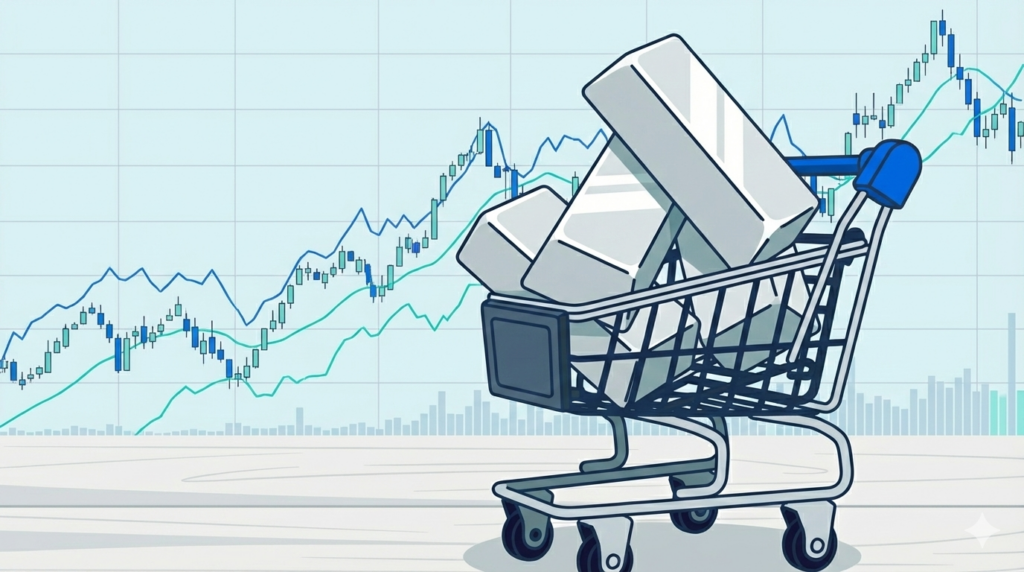
Silver ETFs have seen steady interest from Indian investors over the past few years. Unlike physical silver, these funds allow investors to track silver prices without worrying about storage, purity, or resale issues.
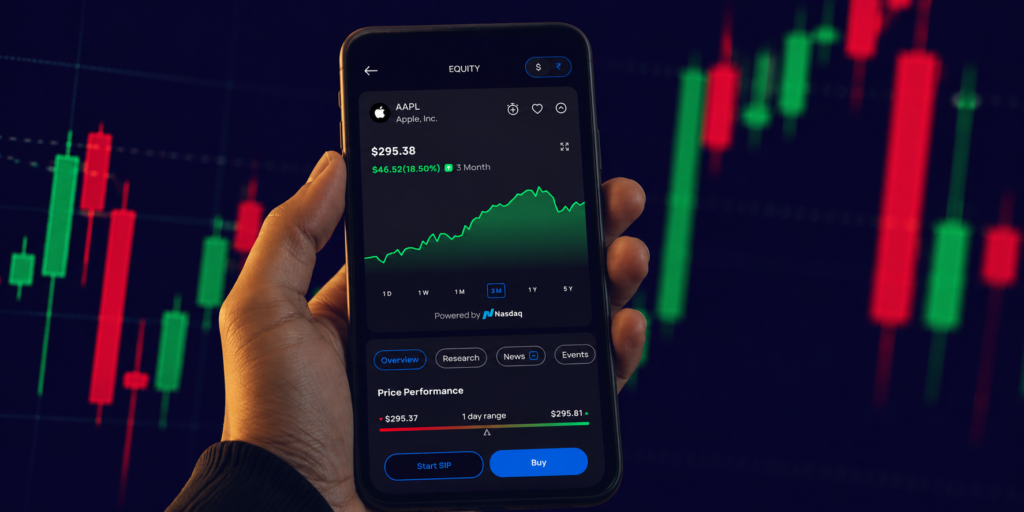
For Indian investors looking to move beyond traditional assets, platforms like Appreciate make it easier to access ETFs across markets. They also allow investors to track and manage global and domestic investments from a single interface.
In this guide, we’ll break down how to invest in silver in India, explain how Silver ETFs work, and help you compare options to choose the best silver ETF in India based on cost, structure, and fit within your portfolio.
Key Takeaway
- Silver ETFs offer a practical way to invest in silver without buying or storing physical metal.
- Returns depend on silver price movement, not fund manager decisions.
- For silver ETF comparison India, expense ratio, liquidity, and tracking difference matter more than short-term performance.
- Expense ratio, liquidity, and tracking difference matter more than short-term performance.
- Silver works best as a small allocation within a diversified portfolio, not as a core investment.
What is a Silver ETF?
A Silver ETF is an exchange-traded fund that tracks the price of silver. When you buy a unit of a Silver ETF, you are not buying silver coins or bars. You are buying a financial instrument that reflects silver prices as closely as possible.
Silver ETFs trade on stock exchanges, just like shares. This makes them one of the simplest ways to get silver exposure if you are learning how to invest in silver in India without dealing with storage or purity issues and the foundation of any silver ETF comparison India exercise.
Physical silver, on the other hand, involves buying coins, bars, or jewellery, which comes with storage costs and resale gaps. For many investors comparing options for the best silver ETF in India, ETFs feel more practical than holding metal at home.
How Silver ETFs Work
Silver ETFs are traded on stock exchanges, just like shares. To invest, you need a demat and trading account. Once purchased, the ETF units appear in your demat account and can be sold during market hours at the prevailing price. This makes them a straightforward option for investors looking to invest in silver without handling physical ownership.
Each Silver ETF publishes a Net Asset Value (NAV). The NAV represents the value of the silver held by the fund after expenses. As global silver prices move, the NAV moves in the same direction. Over longer periods, this keeps the ETF closely aligned with silver price movement.
Two costs influence how accurately a Silver ETF tracks silver prices:
- Expense ratio: The annual fee charged by the fund to manage the ETF. This is deducted over time and slightly impacts returns.
- Tracking error: The difference between the ETF’s performance and actual silver price movement. Lower tracking error usually means closer price matching.
Best Silver ETFs Available for Investment in India
When comparing Silver ETFs, returns alone don’t tell the full story. Since all of them track the same underlying asset, performance differences usually come from expense ratios, tracking accuracy, and how actively the ETF is traded. These factors matter more when you’re trying to identify the best silver ETF in India for long-term holding.
Before picking one, it helps to look at:
- Consistency in tracking silver prices
- Liquidity and ease of buying or selling
- Expense ratio and overall fund size
Top 10 Best Silver ETF in India
Below is a comparison of some of the top 10 Silver ETFs available for investment in India. The numbers reflect recent performance data and market prices, and are meant for comparison rather than ranking. (As on 26th December 2025)
| ETF Name | 1Y Return | 3Y Return | LTP (₹) | Change (%) |
| Zerodha Silver ETF | 0% | 0% | 21.25 | 1.07% |
| ICICI Pru Silver ETF | 136.3% | 187.4% | 208.83 | 1.03% |
| Kotak Silver ETF | 135.81% | 189.5% | 202.97 | 1.03% |
| HDFC Silver ETF | 135.81% | 185.92% | 200.67 | 1.02% |
| Bandhan Silver ETF | 0% | 0% | 209.31 | 1.01% |
| SBI Silver ETF | 135.32% | 0% | 204.96 | 1.02% |
| Nippon India Silver ETF | 135.25% | 187.59% | 200.28 | 1.02% |
| Aditya Birla SL Silver ETF | 136.04% | 187.13% | 208.74 | 1.02% |
| Motilal Oswal Silver ETF | 0% | 0% | 206.93 | 1.02% |
| Tata Silver ETF | 137.64% | 0% | 20.62 | 0.76% |
Silver ETF Expense Ratio Comparison — Which Costs the Least?
The silver ETF expense ratio comparison is one of the most important factors for long-term investors. Since all these funds track the same silver price, a lower expense ratio directly translates to better net returns over time.
What to know about expense ratios for the best silver ETFs india 2026:
- Most Indian Silver ETFs charge between 0.25%–0.65% per annum
- Over a 5–10 year holding period, even a 0.20% difference in expense ratio can meaningfully impact compounded returns
- When comparing top 10 best silver ETF in India options, always check the latest expense ratio on the AMC website or AMFI portal — ratios can change after initial launch
Pro Tip: In any silver ETF expense ratio comparison, don’t just look at the stated TER (Total Expense Ratio) — also check the actual silver ETF tracking error comparison data, as a low-cost ETF with high tracking error may underperform a slightly costlier but more accurate fund.
How to Choose the Right Silver ETF
Not all Silver ETFs work the same way. Small differences can affect your returns over time, so it helps to be selective.
Here’s what to look at before choosing one:
- Expense ratio: Lower costs matter, especially if you plan to hold the ETF for years.
- Tracking difference: This shows how closely the ETF follows silver prices. Smaller gaps are better.
- Liquidity: Check daily trading volume—higher liquidity makes buying and selling easier.
- Fund size (AUM): Larger funds are usually more stable and easier to trade.
How to Invest in Silver ETFs in India
Investing in Silver ETFs is simple if you already invest in stocks or mutual funds. Here is a step-by-step process:
- Open a demat and trading account with a registered broker
- Search for the Silver ETF you want to buy
- Place a buy order during market hours
- ETF units get credited to your demat account
- You can sell them anytime during market hours, just like shares
Platforms like Appreciate Wealth make ETF investing more accessible by offering a clean interface and access to a wide range of investment products. The investment risk, however, remains tied to silver prices and not the platform. Investors who are also exploring how to invest in US stocks from India can consider international investments alongside Silver ETFs to diversify their exposure across global markets and asset classes.
Why Invest in Silver ETFs in India?
Here are the key reasons Indian investors are turning to the best silver ETF india 2026 options:
- No storage, insurance, or purity concerns
- Easy buying and selling through stock exchanges
- Transparent pricing linked to global silver markets
- Suitable for portfolio diversification
For Indian investors, silver works best as a small allocation rather than a core investment. It can help balance a portfolio but returns depend heavily on global demand and price movement.
Factors to Consider Before Investing in Silver ETFs
Before investing in Silver ETFs, understand what drives silver prices and where the risks come from. Silver behaves differently from equity or debt investments and knowing these factors helps set realistic expectations.
Market trends and potential returns
Both investment demand and industrial usage influence Silver prices. This dual role can support long-term demand, but it also means prices react quickly to changes in global economic activity. Returns are rarely linear, so Silver ETFs work better as a supporting allocation rather than the main holding.
Price volatility and investment risk
Short-term price swings in silver can be sharp, especially during periods of economic uncertainty. This volatility directly affects silver ETF funds, making them unsuitable for investors who need stable and predictable returns in the near term.
Impact of economic variables
Factors such as inflation expectations, global manufacturing growth, and currency movement play a role in silver pricing. A stronger US dollar or weaker industrial demand can put pressure on prices, even when long-term fundamentals remain intact. For those learning how to invest in silver, holding period and position size are more important than entry timing.
Start Investing in US ETF
“US ETFs (Exchange Traded Funds) offer a great opportunity for investors looking to diversify their portfolio with international exposure. With Appreciate, you can now access these ETFs easily, benefiting from the growth of US-based companies. Investing in US ETFs can be a strategic way to tap into global markets, adding stability and potential growth to your investment strategy.
Conclusion
Silver ETFs offer a practical way to invest in silver without the challenges of buying, storing, or selling physical metal. They provide transparent pricing, ease of trading, and the flexibility to enter or exit through stock exchanges.
When selecting the best silver ETF in India, focus on cost, liquidity, and tracking accuracy rather than short-term performance. Platforms like Appreciate Wealth make it easier for Indian investors to access Silver ETFs and manage their investments in one place. Used thoughtfully, Silver ETFs can support portfolio diversification and add balance over the long term.
FAQs on Best Silver ETFs to invest in India
A Silver ETF gives you price exposure to silver without owning it physically. You buy units on the stock exchange, and the fund tracks silver prices. Physical silver means coins, bars, or jewellery, which involve storage, purity checks, and resale friction. For most investors learning how to invest in silver in India, Silver ETFs are simpler and cleaner.
Silver ETFs tend to be more volatile than gold ETFs. Silver prices move with both investment demand and industrial usage, while gold is largely driven by investment and macro factors. This means silver ETFs can see sharper ups and downs compared to gold ETFs over the same period.
Silver ETFs are taxed like non-equity mutual funds:
Short-term capital gains apply if sold within the holding period prescribed by tax rules.
Long-term capital gains apply if held longer, with indexation benefits where applicable.
You can track Silver ETF performance through:
The ETF’s market price on the stock exchange
Daily NAV updates published by the fund house
Silver price movements in global markets
If you are exploring silver ETF funds, tracking expense ratios and tracking difference is just as important as watching price returns.
The risks are linked to silver itself, not the platform. These include:
Price volatility in global silver markets
Currency movement impact
Short-term price swings driven by industrial demand
Appreciate only provides access to ETFs; it does not remove market risk. Understanding how to invest in silver responsibly matters more than the platform used.
Silver ETFs are generally better suited for medium- to long-term allocation rather than short-term trading. Short-term prices can be unpredictable. Long-term holding works better when silver is used as a portfolio diversifier rather than a return-chasing asset.
Over the long term, Silver ETFs closely reflect silver price movement, minus expenses. Physical silver may fetch slightly different prices due to making charges, storage costs, and resale spreads. For investors focused on efficiency and ease, ETFs usually track silver prices more cleanly than physical silver.
Yes. Silver often behaves differently from equities and some other asset classes. Adding a small allocation to Silver ETFs may help diversify a portfolio and reduce concentration risk.
Yes, you can sell your Silver ETF units anytime during stock market trading hours, just like shares. Once the sell order is executed, the sale proceeds are credited to your trading account as per the exchange settlement cycle. However, the amount you receive will depend on the prevailing market price of the ETF, which may be higher or lower than your purchase price. Before selling, it is also important to consider any applicable taxes and transaction charges.
Disclaimer
The information provided in this article is for educational and informational purposes only. It should not be considered as financial or investment advice. Investing in stocks involves risk, and it is important to conduct your own research and consult with a qualified financial advisor before making any investment decisions. The author and publisher are not responsible for any financial losses or gains that may result from the use of this information.