Over 24 lakh taxpayers are experiencing income tax refund delays in 2026, with ITRs pending for more than 90 days. This comprehensive guide explains the reasons behind the income tax return delay, including processing backlogs at the Centralised Processing Centre, data mismatches in Form 26AS, compliance issues under the NUDGE campaign, and verification problems. Learn how to check your ITR return status online, track your income tax refund through the official portal, and take actionable steps to resolve delays and expedite your refund.
If you’re among the millions of taxpayers waiting for your income tax refund in 2026, you’re not alone. According to recent parliamentary data, out of 8.80 crore income tax returns filed for Assessment Year 2025-26, a staggering 24.64 lakh ITRs remain pending for processing beyond 90 days. This income tax refund delay has left taxpayers frustrated and financially strained. Understanding why your refund is stuck and knowing how to track your ITR return status can help you take corrective action and potentially speed up the process.
Key Takeaways
- Over 24 lakh ITRs were pending for more than 90 days in 2026, causing delays in income tax refunds.
- Common reasons include processing backlogs, data mismatches in Form 26AS/AIS, and compliance checks.
- Unverified ITRs, incorrect bank details, and outstanding tax demands can also delay refunds.
- Taxpayers can check their ITR return status online and track refund progress through the Income Tax e-filing portal.
- If a refund is delayed, verify the return, fix discrepancies, respond to notices, and contact the tax department if needed.
The Scale of Income Tax Return Delay in 2026
As of February 4, 2026, the Income Tax Department has received 8,79,62,234 returns for AY 2025-26. Of these, 24,64,044 returns—nearly 2.8%—have been pending for over three months. While this percentage might seem small, it represents millions of taxpayers whose expected refunds remain in limbo. The income tax refund delay has significant cash flow implications for individuals and families counting on these funds.
The Centralised Processing Centre in Bengaluru handles all ITR filings and faces unprecedented volumes year after year. For FY 2024-25, extended filing deadlines created a surge in last-minute submissions, overwhelming the system. The department has until December 31, 2026, to process all returns for this financial year, but for those expecting quicker refunds, the wait can be agonizing.For many taxpayers, the biggest concern is the itr processing time 2026, especially with a large number of returns awaiting verification and processing.
Data mismatches typically occur when TDS deducted by employers or banks isn’t updated in Form 26AS at the time of filing. Knowing the difference between TDS and TCS helps you identify which deductions should appear in your tax records and reconcile discrepancies. Tax benefits under various deductions determine which regime is more beneficial. Choosing between the difference between old and new tax regime impacts your refund amount, as the old regime offers more deductions while the new offers lower rates.
5 Major Reasons for Income Tax Refund Delay
1. Processing Backlogs and System Overload
The massive volume of ITR filings—nearly 8.8 crore for AY 2025-26—has stretched the CPC’s processing capacity. Standard refund timelines of 4-5 weeks have extended to several months for many taxpayers. The income tax return delay often affects those who filed closer to the deadline or submitted complex returns requiring manual verification. The AY 2026-27 ITR processing speed also depends on factors such as return complexity, verification status, and the overall workload at the Centralised Processing Centre.
2. Data Mismatches Between ITR and Form 26AS
One of the most frequent culprits behind refund delays is discrepancies between your filed ITR and the information in Form 26AS, Annual Information Statement (AIS), or Taxpayer Information Summary (TIS). These mismatches typically occur when:
• TDS deducted by employers or banks isn’t updated in Form 26AS at the time of filing
• Salary components, interest income, or capital gains are reported incorrectly
• Multiple TDS entries from different deductors create confusion
• High-value transactions aren’t properly documented or reported
Even minor differences can trigger a verification hold, keeping your refund stuck until the discrepancies are resolved. This is a leading cause of income tax refund delay complaints. Understanding what is Tax Deducted at Source (TDS) and how it’s reported in Form 26AS can help you avoid these mismatches.
3. NUDGE Campaign Compliance Scrutiny
The CBDT’s Non-Intrusive Usage of Data to Guide and Enable (NUDGE) campaign has intensified scrutiny of tax returns. Launched in December 2025, this automated system flags returns showing potential under-reporting, excess deductions, or undisclosed assets. Over 1.11 crore revised ITRs were filed under this campaign in the past two years, generating Rs 8,810 crore in additional revenue.
If your return is flagged, your refund is withheld until you respond to notices or submit clarifications. Common NUDGE triggers include :
• Undisclosed foreign assets or income
• Incorrect deductions under Sections 80G, 80GGC, or 80E
• Excess exemption claims that don’t match supporting documents
Many taxpayers overlook these communications or respond after deadlines, significantly extending the income tax return delay. If you’ve sold investments during the year, understanding what is capital gains tax and properly reporting it prevents refund delays due to income under-reporting.:
4. Unverified ITR and Technical Errors
Filing your ITR is only half the battle—verification is mandatory. If you skipped the verification step via Aadhaar OTP, net banking, Electronic Verification Code (EVC), or physical ITR-V submission, your return is considered invalid. No refund will be processed until you complete verification within 30 days of filing.
5. Bank Account Issues and Outstanding Demands
Even with a processed ITR, incorrect or inactive bank account details can block refund disbursement. Additionally, under Section 245 of the Income Tax Act, the department can adjust your refund against outstanding tax demands from previous years without your explicit consent. This automatic adjustment often catches taxpayers off guard, creating confusion about where their refund went.
How to Check Your ITR Return Status Online
Tracking your income tax refund status 2026 is straightforward through the official Income Tax e-filing portal. Here’s your step-by-step guide to check ITR return status:
Step 1: Access the Portal
Visit www.incometax.gov.in and log in using your PAN and password. If you haven’t registered yet, create an account using your PAN as the username.
Step 2: Navigate to Refund Status
Click on ‘My Account’ from the dashboard menu and select ‘Refund/Demand Status.’ This section displays real-time updates on whether your refund has been issued, is under processing, or is on hold.
Step 3: Use Your Acknowledgement Number
Enter your ITR acknowledgement number (received after filing) to access detailed processing stages. This helps you track income tax refund progress through each stage of verification and approval.
Step 4: Understand Status Descriptions
• Refund Issued: Your refund has been dispatched. If not credited within 5 business days, contact your bank.
• Under Processing: Your ITR is in routine review. This typically resolves within 4-8 weeks.
• On Hold: A compliance issue requires your response before the refund can proceed.
If you’re wondering when itr refund will be credited 2026, the actual credit date depends on successful processing, bank account validation, and whether any compliance checks are pending.
Step 5: Cross-Check Form 26AS
Compare your refund status with TDS credits shown in Form 26AS. Discrepancies here are the most common reason for income tax refund delays. Access Form 26AS through the ‘e-File’ menu under ‘Income Tax Returns.’
7 Steps to Resolve Your Income Tax Refund Delay
If your income tax return delay extends beyond 90 days, take these proactive measures:
• Verify ITR Immediately: If you haven’t verified your return, do so within 30 days of filing using Aadhaar OTP or net banking.
• Fix Data Mismatches: Cross-check your ITR against Form 26AS, AIS, and TIS. Note any discrepancies in TDS, salary income, or capital gains. Contact your employer or TDS deductor to rectify reporting errors.
• Validate Bank Details: Log into your e-filing account and confirm your bank account number, IFSC code, and bank name exactly match your bank records. Update if necessary.
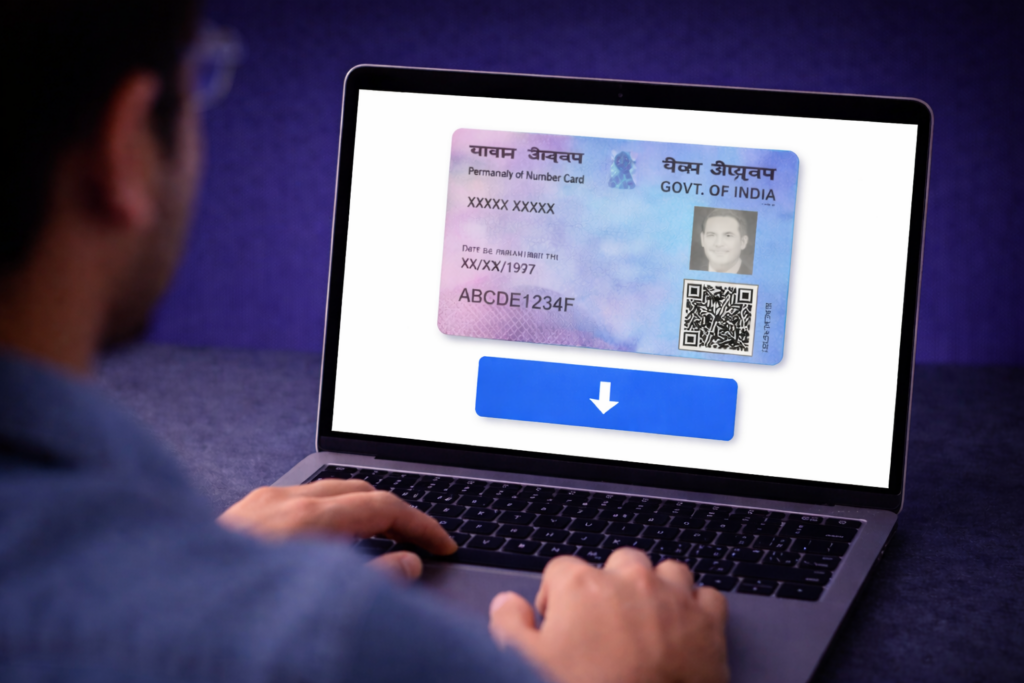
• Confirm PAN-Aadhaar Linkage: Visit the NSDL or UTIITSL website to verify your PAN is properly linked to Aadhaar. Mismatches here significantly delay refund processing.
• Respond to Section 143(1) Notices: Check your e-filing account for pending notices or intimations. Respond within the deadline with required clarifications or file a revised return if needed.
• Contact CPC or AO: If your refund shows ‘On Hold’ for over 90 days, contact the Centralised Processing Centre (helpdesk@cpc.incometax.gov.in) or your jurisdictional Assessing Officer. Request specific reasons in writing.
• File a Grievance: If no resolution occurs within 60 days, file a formal complaint through the CBDT Grievance Portal or contact the Income Tax Department’s Aaykar Sampark Kendra helpline.
Final Thoughts on Income Tax Refund Delays
The income tax refund delay affecting 24 lakh taxpayers in 2026 stems from processing backlogs, data mismatches, NUDGE campaign compliance checks, and verification issues. While frustrating, most delays can be resolved by proactively checking your ITR return status, fixing discrepancies between your return and Form 26AS, and responding promptly to department notices.
To track your income tax refund effectively, regularly monitor the e-filing portal and ensure all documentation is accurate. Implementing tax-saving investment strategies throughout the year ensures proper documentation and can help you avoid refund delays while maximizing your tax savings. If you plan to invest in US stocks from India, maintaining accurate tax records and reporting overseas investments correctly is equally important for smooth tax compliance.Remember, the CPC has until December 31, 2026, to process all returns, so patience combined with proactive follow-up is your best strategy.
FAQs On Income Tax Refund Delay
Log into www.incometax.gov.in using your PAN, navigate to ‘My Account,’ and select ‘Refund/Demand Status.’ Enter your ITR acknowledgement number to view detailed processing status. The portal shows whether your refund is issued, under processing, or on hold.
The primary reasons include processing backlogs due to 8.8 crore ITR filings, data mismatches between your return and Form 26AS, NUDGE campaign compliance scrutiny, unverified returns, and bank account issues. As of February 2026, 24.64 lakh returns remain pending beyond 90 days.
Check your e-filing account for pending notices under Section 143(1). ‘On Hold’ typically means a compliance issue requires your response—such as data mismatches, undisclosed income, or excess deduction claims. Respond promptly with clarifications or file a revised return to release the hold.
The NUDGE (Non-Intrusive Usage of Data to Guide and Enable) campaign uses automated risk analysis to flag returns with potential under-reporting, excess deductions, or undisclosed assets. If flagged, your refund is withheld until you submit clarifications. The campaign has generated Rs 8,810 crore in additional revenue from 1.11 crore revised returns.
Standard processing takes 4-8 weeks after ITR verification. However, due to high volumes for AY 2025-26, many refunds are taking several months. The department has until December 31, 2026, to complete all processing. If your status shows no updates for 60-90 days, contact the CPC or file a grievance.
Yes. Under Section 245 of the Income Tax Act, the department can automatically adjust your current refund against outstanding tax demands from previous assessment years. You’ll receive an intimation explaining the adjustment, but the refund amount will be reduced or withheld accordingly.
First, verify your return if not done already. Check for data mismatches in Form 26AS and respond to any pending notices. Ensure bank details and PAN-Aadhaar linkage are correct. If no resolution occurs, contact the CPC at helpdesk@cpc.incometax.gov.in or file a grievance through the CBDT portal. Document all communications for reference.
Disclaimer: Investments in securities markets are subject to market risks. Read all the related documents carefully before investing. The securities quoted are exemplary and are not recommendatory.