Large transactions are a common sight in the Indian stock market. When massive quantities of shares change hands, it can create significant price movements if done during regular trading. To manage this, the Securities and Exchange Board of India (SEBI), which is the regulator for the securities market in India, established a specific mechanism. Block deal meaning refers to a single transaction of high value executed through a separate trading window provided by the stock exchanges, like the National Stock Exchange (NSE) and Bombay Stock Exchange (BSE)
These deals are usually done by institutional investors like mutual funds, insurance companies, or foreign portfolio investors (FPIs). As these deals require huge amounts of money, they are not conducted using the usual order book where ordinary investors execute their trades. Rather, they take place during scheduled periods to ensure that the primary market maintains its stability. Learning about block deals in the stock market can help ordinary investors know where the “real money” flows without falling for fleeting price hikes.
KEY TAKEAWAYS
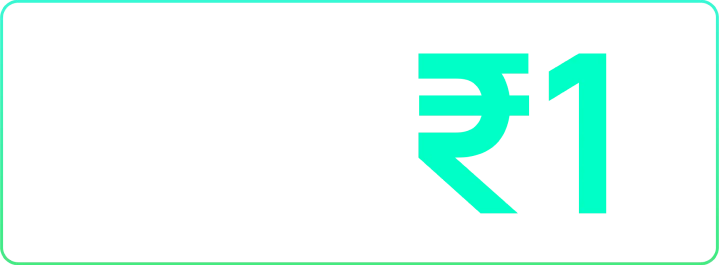
- A block deal is a single trade with a minimum value of ₹25 crore executed in a special window.
- The transaction must result in mandatory delivery and cannot be squared off on the same day.
- Two specific trading sessions are provided daily on the NSE and BSE for these trades.
- Exchanges disclose the names of the buyers, sellers, and prices after market hours for transparency.
How Block Deals Work?
The process of the block trade is formulated in such a way that it allows for trading in bulk without creating panic. The difference between normal trading and block trading is that, while in the former, one can buy the stocks from any seller willing to sell them, in the latter, both parties come to an agreement beforehand. They decide on how many stocks will be traded and at what price.
1. Typical Participants
The primary participants are institutional players. This includes Indian mutual funds, domestic financial institutions, and large international funds. Promoters of companies also use this route when they wish to increase or decrease their stake in the firm. Because the minimum entry barrier is high, retail investors generally do not participate directly in these transactions.
2. Platforms for Execution
Such transactions occur in the NSE and BSE markets. According to the current situation as of January 2026, there are two sessions in which such transactions are provided by the exchange. The first session is from 8:45 AM to 9:00 AM, in which the previous closing price is used as the base price. The second session is from 2:05 PM to 2:20 PM, where the base price is the VWAP of the traded stock in the cash segment from 1:45 PM to 2:00 PM.
Types of Block Deals
While the goal is the same — moving large volumes — the method can differ based on where and how the trade is settled.
1. Regular Block Deals
These are the most common forms of block trades. They happen on the stock exchange’s dedicated block deal window. The price must be within a range of ±3% of the reference price. For example, if a stock closed at ₹1,000 yesterday, the block deal today must happen between ₹970 and ₹1,030. This ensures the trade is fair and close to the actual market value.
2. Off-Market Block Deals
Such trades take place between the two parties directly without involvement in the trading process of the exchange. While legal, such deals need to be reported to the clearing houses. Such trades are generally used in the inter-depository transfers or during specific corporate restructurings. Yet the more visible form of block trades is the one that takes place through the exchange.
Importance of Block Deals Today
Block deals are a barometer of the market. When big institutions invest a few hundred crores into one company, it usually means that they have faith in it. On the other hand, when a promoter sells his/her block, the market wonders why he/she did so.
1. Impact on the Stock Market
The biggest advantage of a block deal is that it prevents “slippage.” If an institution tried to sell ₹500 crore worth of shares in the normal market, the price would crash instantly because there aren’t enough buyers at that moment. By using the block window, the trade happens at a stable price, keeping the NSE block deals environment orderly.
2. Why Institutions Favour Them
The institutional investor would prefer such an approach since it allows him to trade all his stocks in one go. This is not possible in the case of an open auction, where he may be able to cover only a portion of his trade before the prices turn against him.
Regulations Governing Block Deals
SEBI has strictly regulated this segment to ensure it is not used for market manipulation. The rules have become tighter over the last two years to protect the interests of smaller investors.
1. Regulatory Framework
As per the most recent SEBI circular, the minimum trade size is increased with effect from late 2025. Starting from 1 January 2026, block deals will require a minimum value of ₹25 crore, which was previously ₹10 crore. This modification guarantees that only institutional trades will use this special window.
2. Compliance and Reporting
Transparency is a core requirement. Every trade executed in this window must result in delivery. This means the buyer must take the shares into their demat account (a digital folder for holding shares), and the seller must move them out. No “intraday” or “squaring off” — which is buying and selling the same share on the same day to pocket the difference — is allowed. Stock exchanges must publish the details, including the client name and price, on their website by the end of the day.
Benefits and Risks of Block Deals
Every financial tool has two sides. While block deals offer stability, they also carry specific characteristics that investors should monitor.
1. Benefits: Liquidity and Stability
- Price Discovery: It helps in finding a fair price for a large chunk of shares without causing a temporary market crash.
- Liquidity: It allows big investors to enter or exit positions quickly, which provides overall liquidity to the Indian financial ecosystem.
- Reduced Volatility: Since these trades happen in a separate window, they do not cause “noise” or sudden spikes in the regular 9:15 AM to 3:30 PM trading session.
2. Risks and Constraints
- Information Lag: Retail investors only see the details after the trade is done. This means the stock price might jump the next morning before a small investor can react.
- Regulatory Risk: If the parties do not follow the ±3% price band or the delivery rules, SEBI can cancel the trade or levy heavy penalties.
- Market Sentiment: Sometimes, a large block sell-off can cause fear among retail investors, even if the sale was just a routine portfolio rebalancing by a fund house.
Conclusion
It is very important to be aware of block trades and their nature in order to survive in the Indian stock markets. These types of trading activities will help in ensuring that even when the big fish move, there is no disturbance in the pool. The high requirement of minimum trade value set at ₹25 crore from January 2026 by the authorities will ensure that only the real traders use this tool.
Tracking them could give an insight into institutional interest areas. Although you are not allowed to deal in them, the information is freely available on the NSE and BSE websites daily.
FAQs on Block Deal in the Stock Market
Block deals are those transactions made for purchasing or selling blocks of stock amounting to at least ₹25 crore. These transactions take place in a dedicated trading segment apart from the normal trading screens where ordinary investors transact.
Bulk deals are all those transactions which are above 0.5% of the total stocks of an organisation carried out during regular trading periods. Block deals refer to transactions worth a minimum of ₹25 crore.
Parties involved are mainly mutual funds, foreign institutional investors, financial institutions, and promoter groups. As the minimum transaction amount is ₹25 crore, as of 2026, ordinary investors are not involved in block deals.
They allow institutions to buy or sell massive quantities of shares at a single, stable price. This avoids the price fluctuations that would happen if such a large order were placed in the normal open market.
In India, the requirement is based on value rather than just quantity. As of January 2026, a block deal must have a minimum transaction value of ₹25 crore to be eligible for the special trading window. It is always wise to consult a professional before making large investment decisions based on market data.
Disclaimer: Investments in securities markets are subject to market risks. Read all the related documents carefully before investing. The securities quoted are exemplary and are not recommended